
Speaker box design guides
How to design speaker boxes, with live examples you can open and change in Speaker Box Genius. New to it? Start with the design assistant or sealed, ported or passive radiator.
No guide matches that. Try a shorter word.
Start here
Pick a driver, choose a box type and learn the parameters that decide it.
- Design assistant: find a driver and a box
Say what you're building and your limits, and the design assistant tries every suitable driver in the database in sealed, ported, passive radiator, bandpass and transmission line boxes, at your power. What it tries, how it grades, a worked home-sub run, and what its rankings do and don't mean.
- Sealed, ported or passive radiator: which box for your driver?
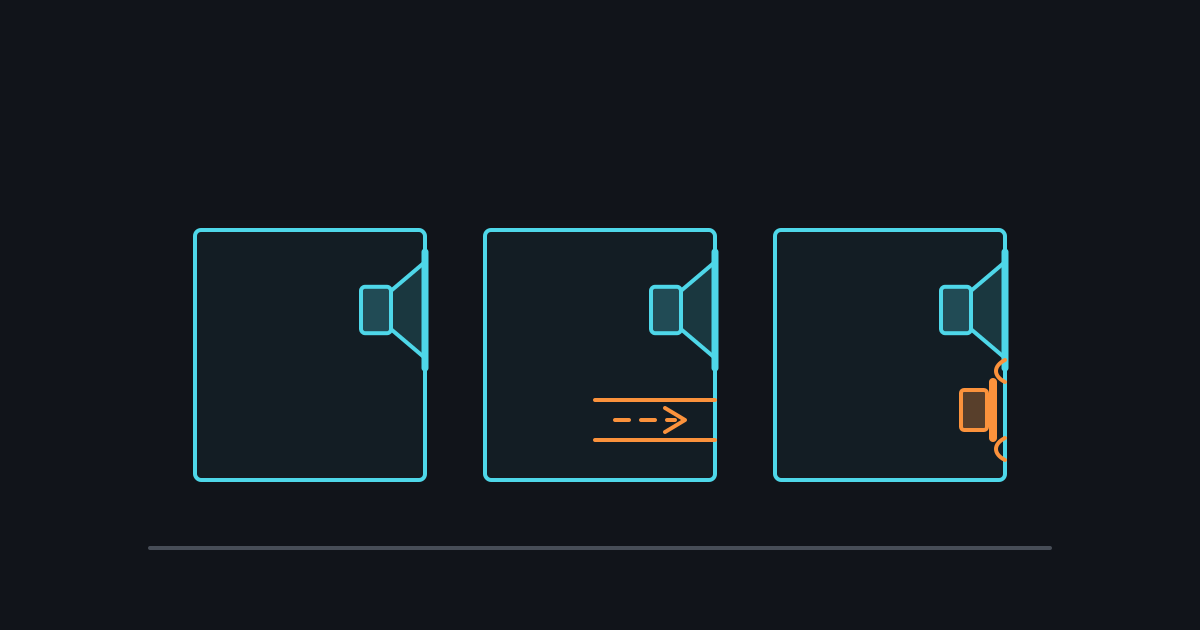
One 10-inch sub at its full 350 W rating in all three boxes, side by side. Size, depth, output, cone travel with and without a subsonic filter, and what the Qts and EBP rules of thumb get right and wrong.
- Car subwoofer box design: sealed or ported?
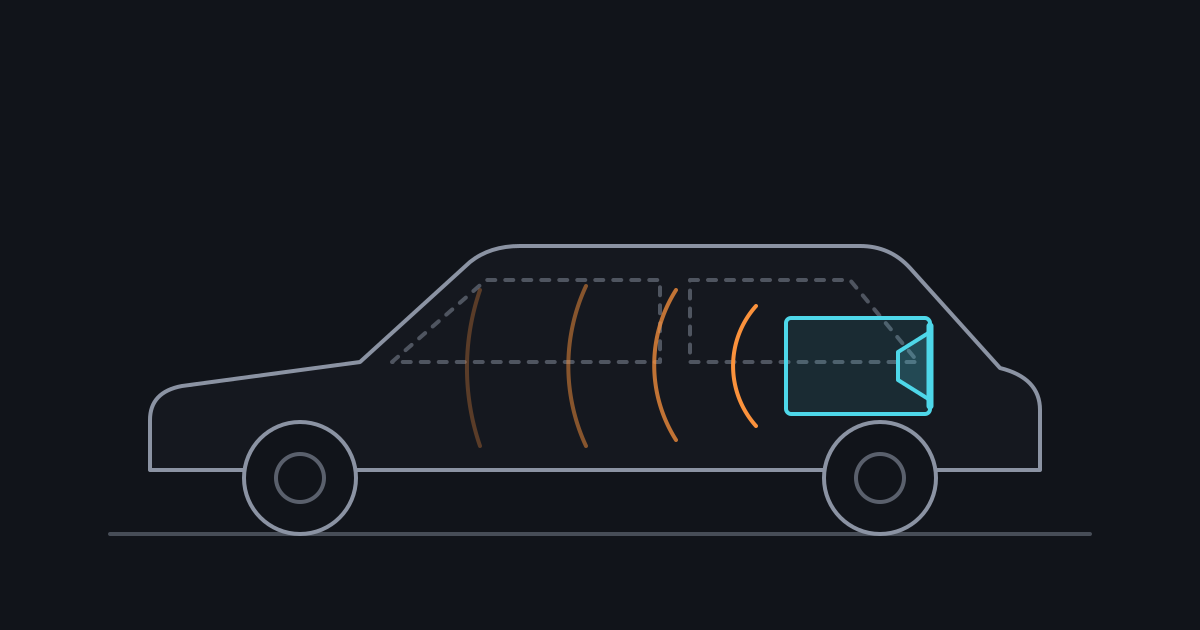
One 10-inch sub at its full 350 W in a 28 L sealed box and two 45 L ported boxes, in the car and out of it. What cabin gain does to each, which one runs out of cone first, and what the forum rules of thumb get wrong.
- How to compare two drivers for the same box
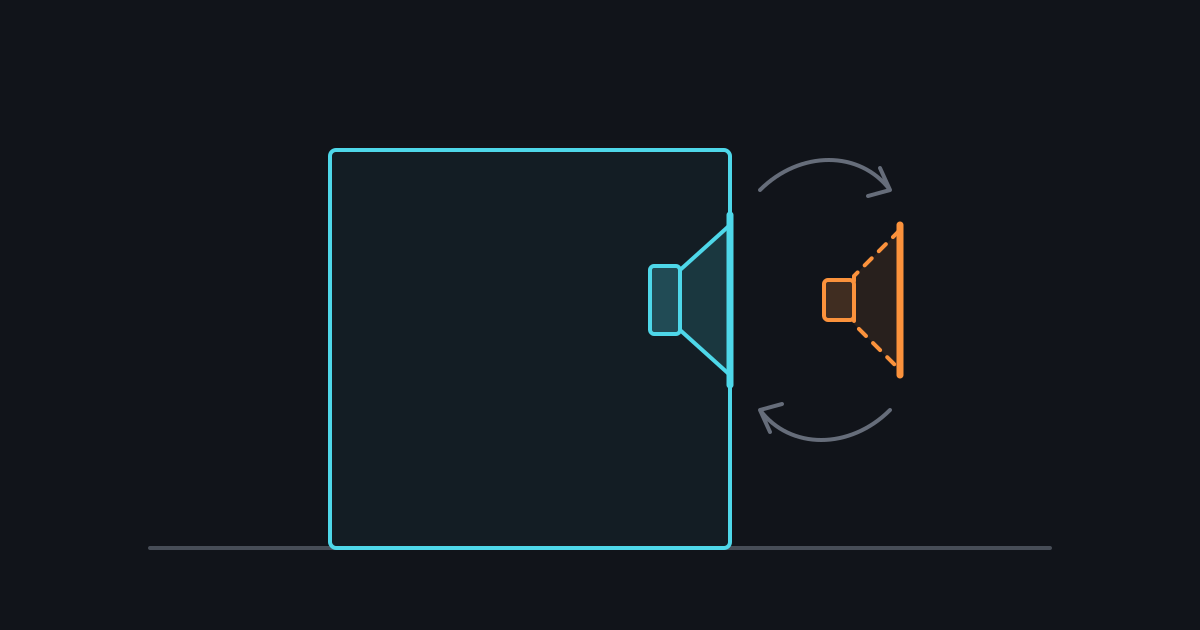
Two 10-inch subs from the same family, the RSS265HF-4 and RSS265HO-4, in the same sealed and ported boxes from the same amplifier. Which one goes deeper, which one is louder, what stops each one, and what the forum rules of thumb get wrong.
- Thiele/Small parameters explained
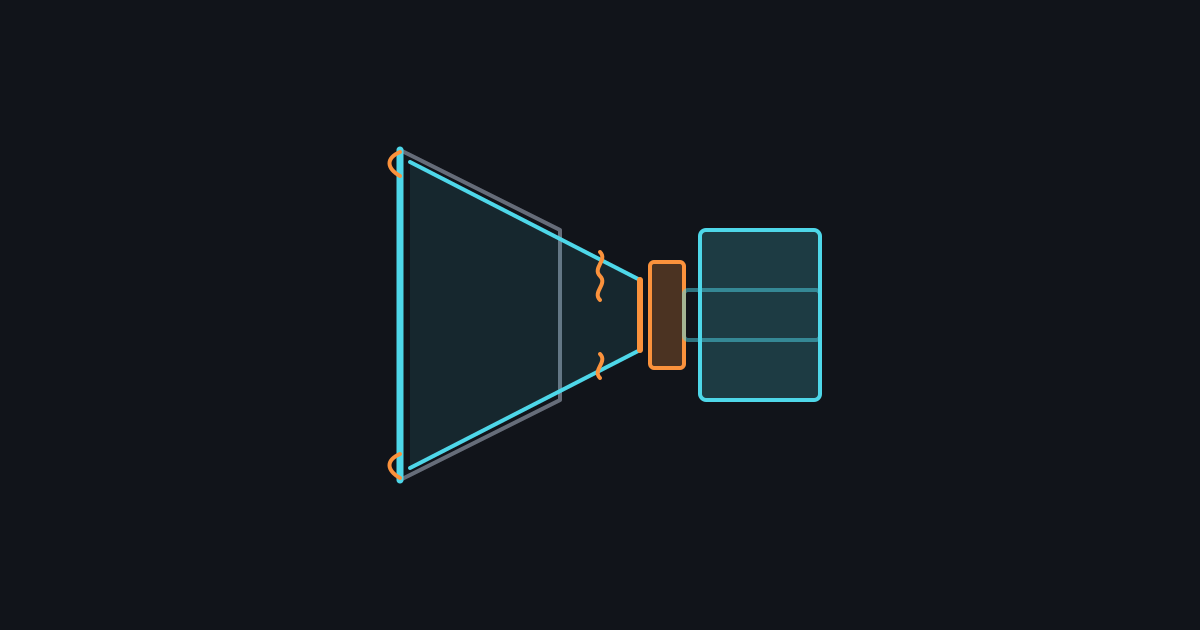
What Fs, Qts, Vas, Xmax and the rest mean in practice, checked on two real 8-inch drivers in the same boxes. Which numbers decide the box, which decide how loud, what the forum rules of thumb get wrong, and how to enter a datasheet without mistakes.
- One 15-inch or two 10-inch subwoofers: which plays louder and deeper?
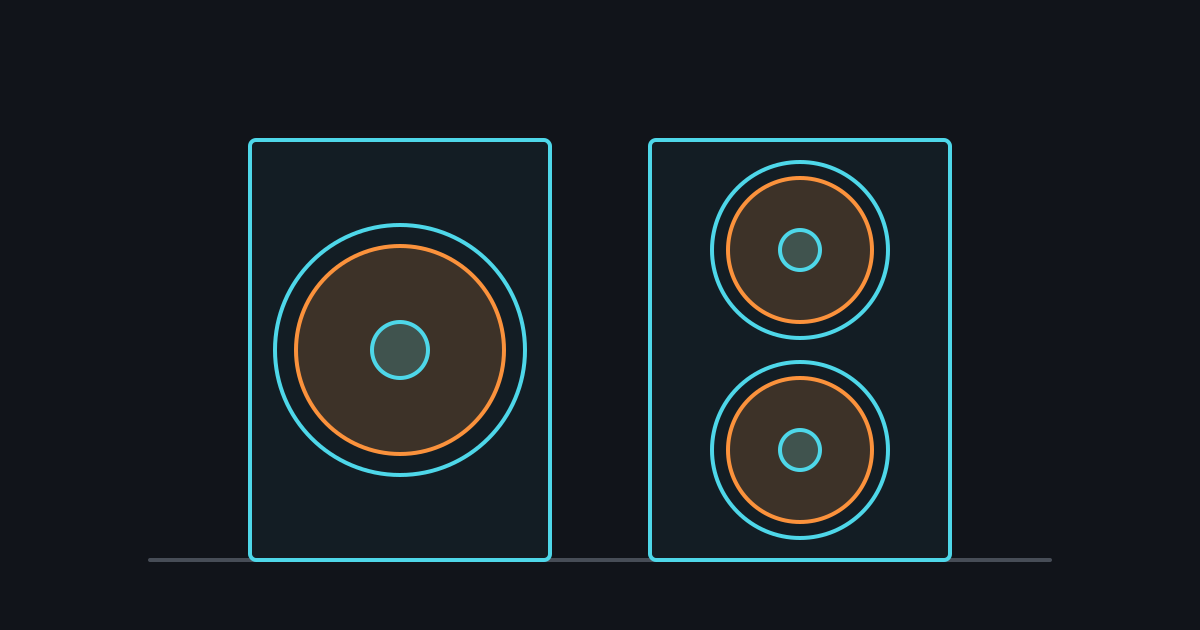
One 15″ against two 10″ from the same series, in the same sealed and ported boxes on the same amplifier, in one project. Displacement against power handling against a 2 Ω load, with the maximum SPL chart that settles each forum claim.
- 1 Ω vs 2 Ω vs 4 Ω: does DVC wiring change how a subwoofer sounds?
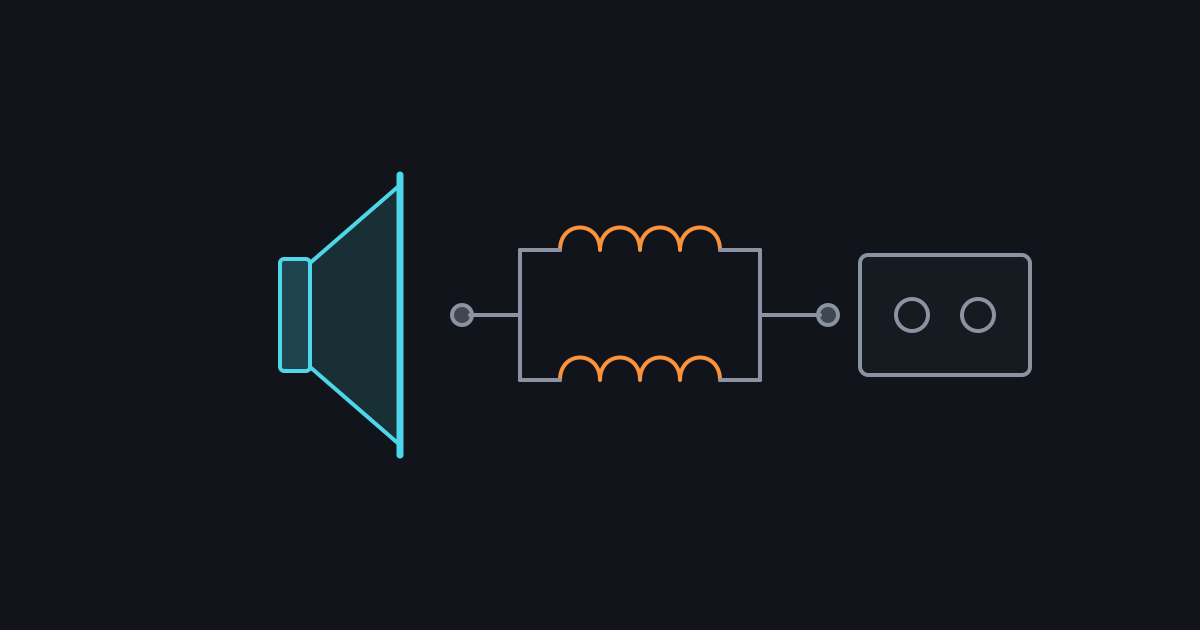
The same dual voice coil subwoofer wired in series (4 Ω) and in parallel (1 Ω), with 0.15 Ω of amplifier and cable resistance, on a real 1 Ω amplifier. SPL, impedance, Q and maximum output worked out, with charts you can open and change.
- Hofmann's Iron Law: PA subwoofer vs home subwoofer
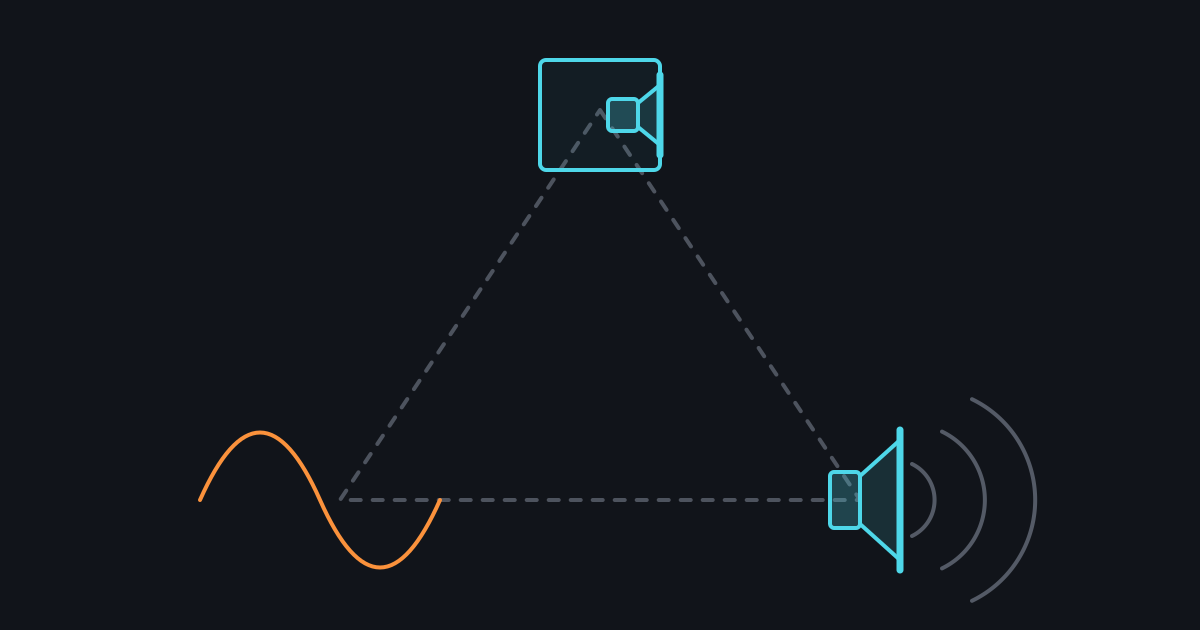
Efficiency, bass extension and box size, pick two. A B&C PA 18″ against a Dayton home 18″, in each other's boxes, at 1 W and at full power, worked out from Thiele/Small parameters with charts you can open and change.
- Non-rectangular speaker cabinets: cylinders, spheres and tapered boxes

How to get the true net volume of a Sonotube, a sphere or a tapered (truncated pyramid or wedge) cabinet, what the shape changes and what it doesn't, with one 83.5 L sub built four ways that you can open and change.
- Matching an amplifier to your subwoofer: volts, amps and why impedance dips matter
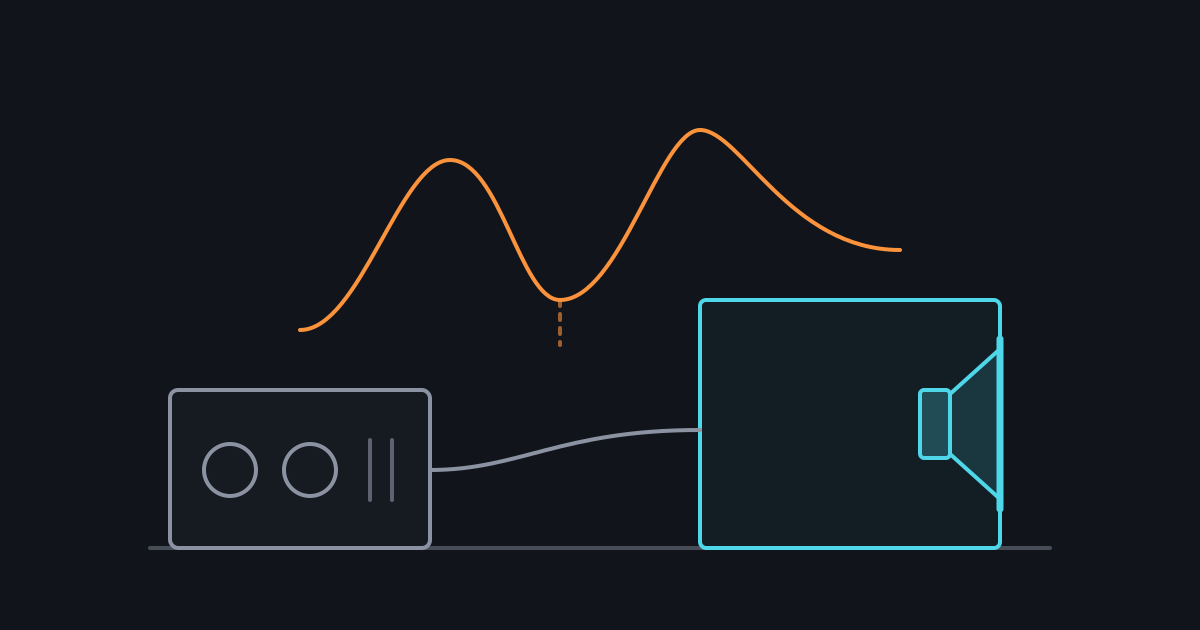
Read an amp's watt ratings as a voltage limit and a current limit, see how far a "4 Ω" sub's impedance really swings in its box, and find out when a dip runs your amp out of current, with a Crown XLS 1002 and two ported 12s you can open and change.
Switching from WinISD or Hornresp
What carries over, what's different, and how to bring your files across.
- A free online WinISD alternative
Speaker Box Genius does what WinISD does, in your browser on any computer or phone, with the same results, plus a driver database and live links you can share.
- A free online Hornresp alternative for lines and horns
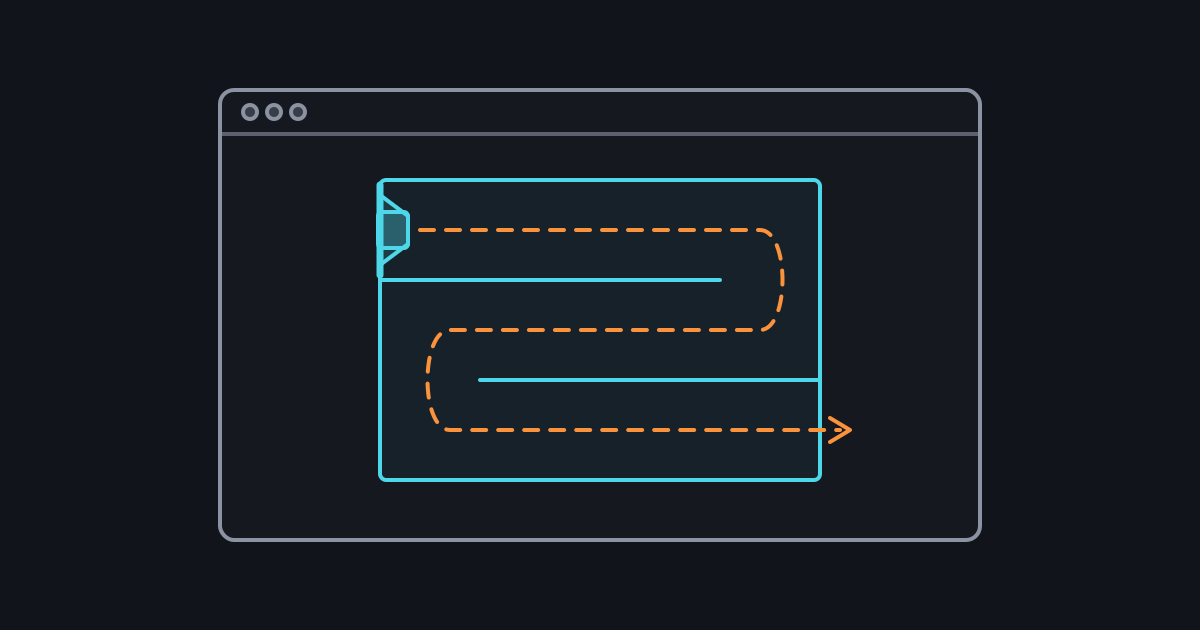
Design transmission lines, MLTLs, tapped horns and front-loaded horns in your browser, checked against Hornresp, with Hornresp import and export.
Ported and passive radiator boxes
Port size and noise, tuning, passive radiators and protecting the driver below tuning.
- How to design a passive radiator box
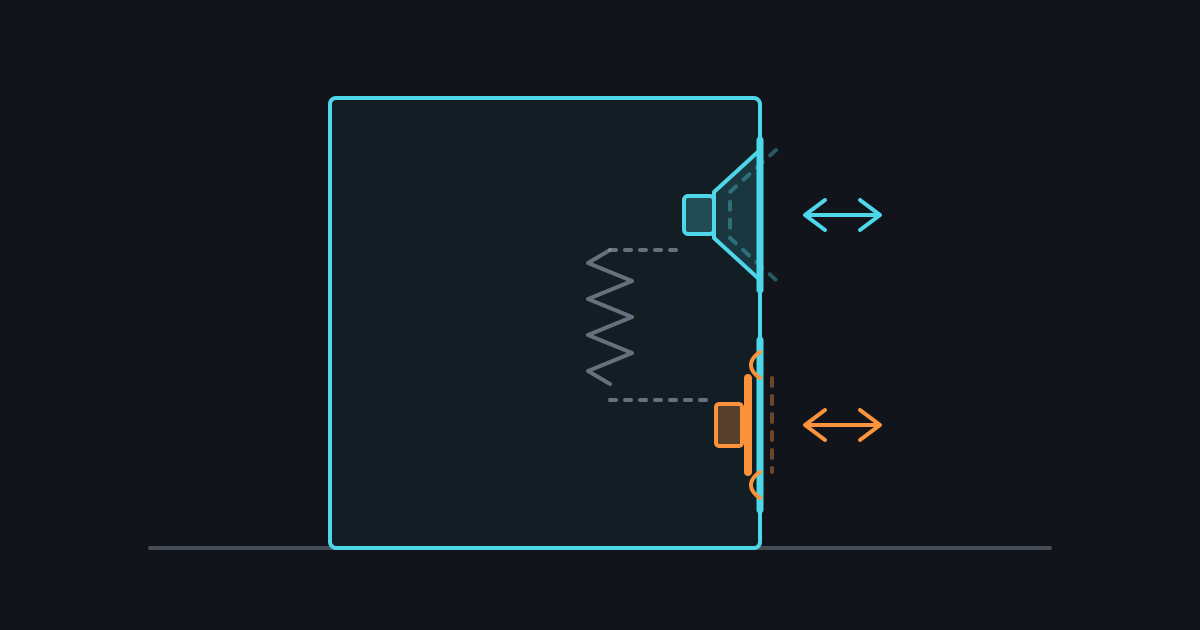
Box size, tuning, added mass and excursion, step by step, with a worked example you can open and change in your browser.
- Port chuffing: how big should my port be?
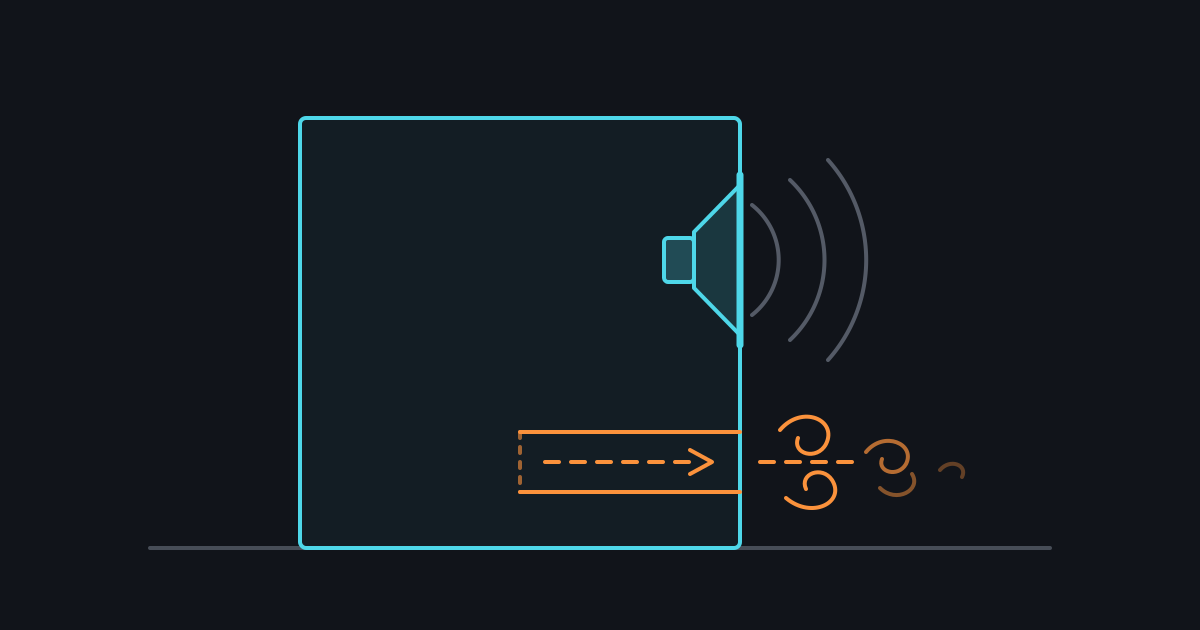
Why ports chuff, the 17 m/s rule, and how to get a port that's quiet and still fits in the box, with a worked 12-inch subwoofer example.
- Subsonic filter: what frequency and slope?
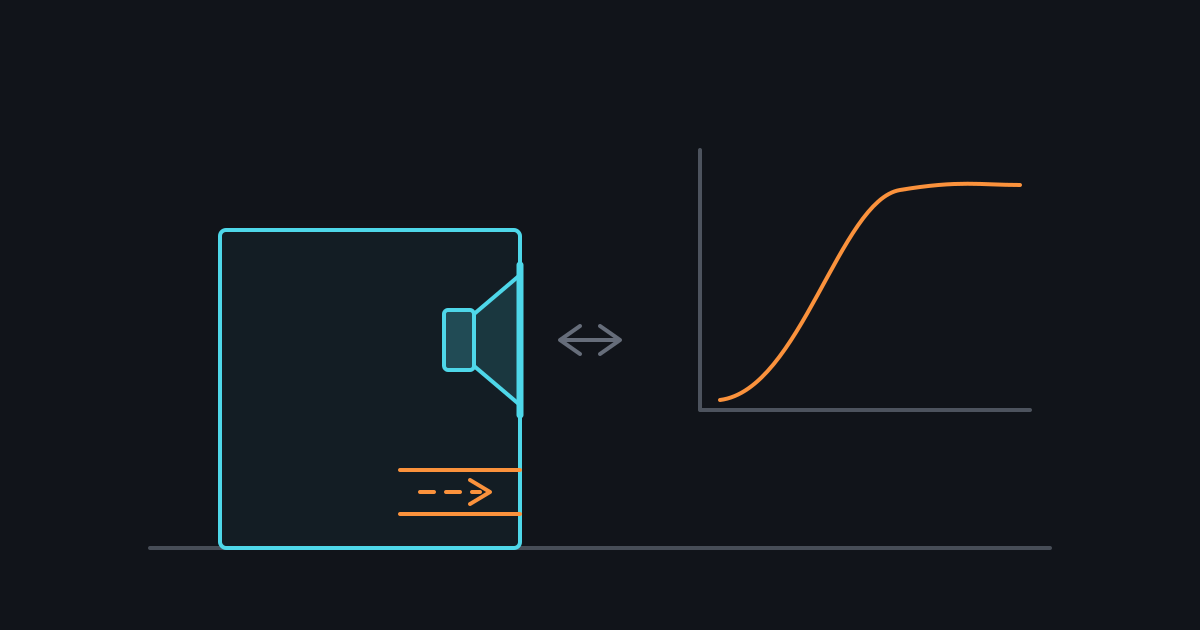
Why ported and passive radiator boxes need a high-pass filter below their tuning, and how to choose its frequency and slope, with a worked 12-inch subwoofer example.
- My port tunes higher (or lower) than designed: why, and how to fix it
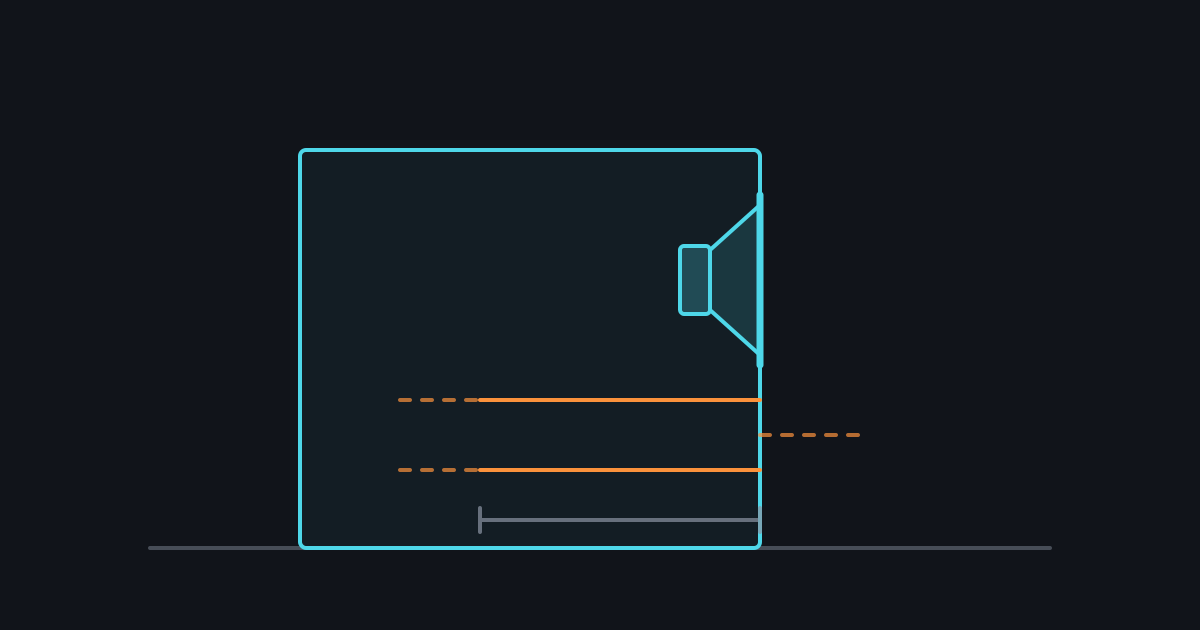
Why a built ported box tunes away from its design (net volume, end corrections, port position, flares, losses), how to measure the real tuning from the impedance curve, and how to correct it.
- Are ported boxes slow or boomy? Group delay explained
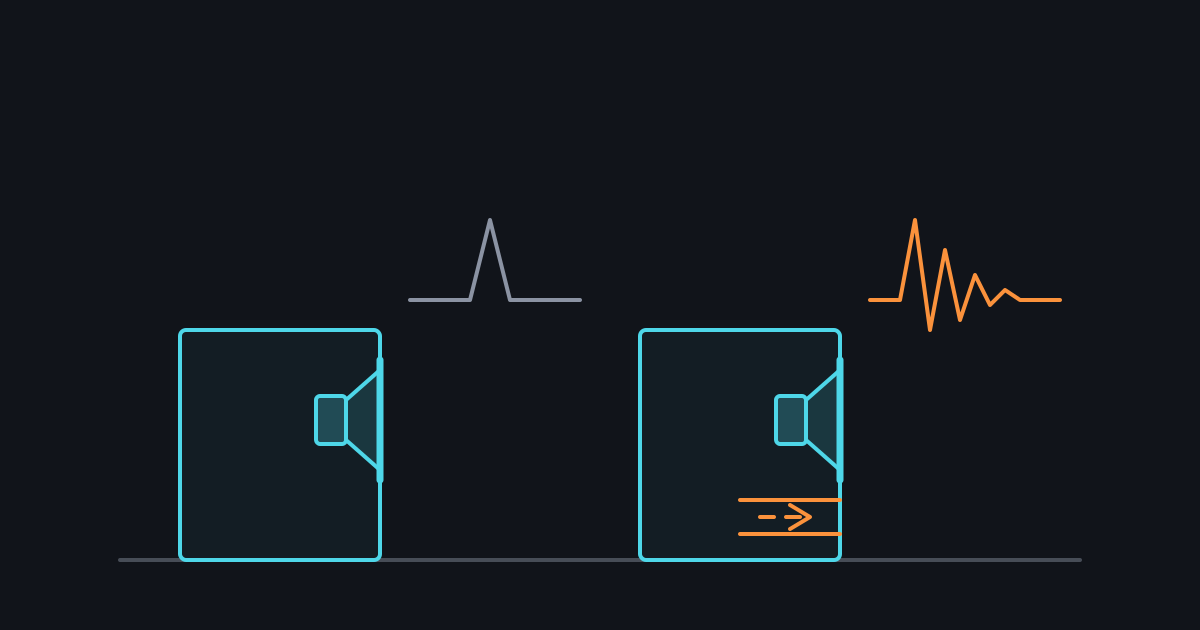
Why "sealed is fast, ported is slow" keeps coming up, what group delay really is, how a sealed box, a ported box tuned high and one tuned low compare in group delay, step response and ringing, and what listening tests say you can hear.
- Round port vs slot port: why your slot tunes lower and chuffs sooner

A 4″ flared round port against an 8:1 slot of the same area in the same box: why a slot along the box walls tunes lower than calculators say, why it gets noisy sooner, and the pipe resonance every port has. Charts and live examples you can open and change.
Sealed boxes, EQ and isobaric
Choosing Qtc, getting deep bass from a small box with EQ, and isobaric pairs.
- Linkwitz Transform: deep bass from a small sealed box, and what it really costs
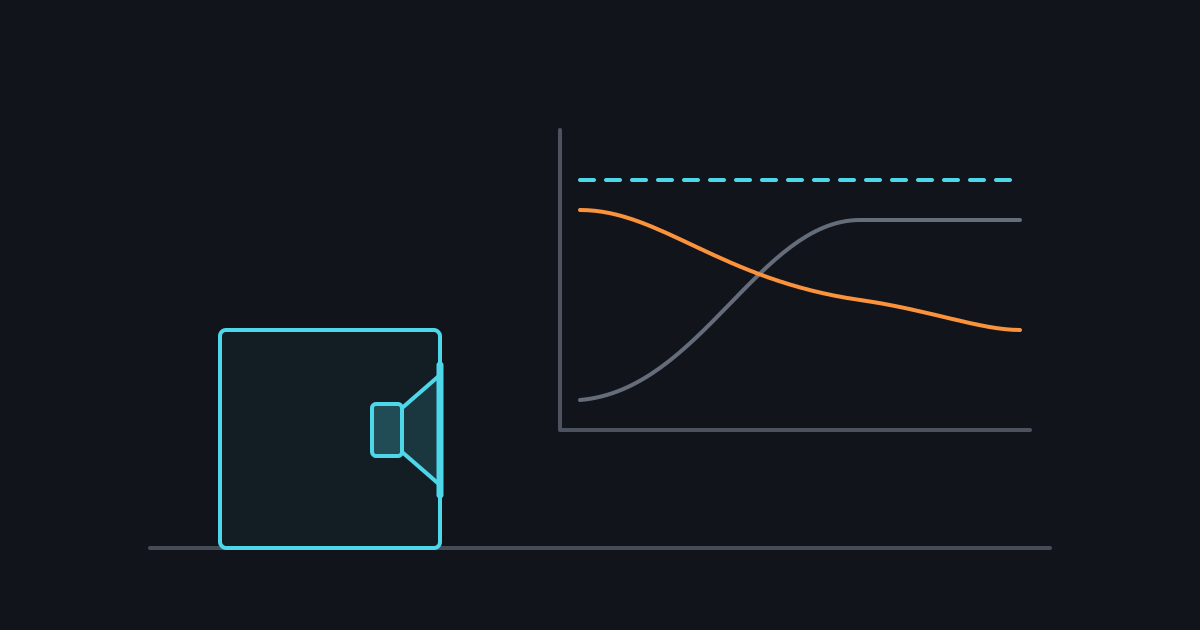
How the Linkwitz Transform works, how to choose f0, Q0, fp and Qp, how much boost, excursion and amplifier power it needs, and why it doesn't raise maximum output, with a worked 10-inch example.
- Isobaric subwoofers: half the box, but what does it cost?
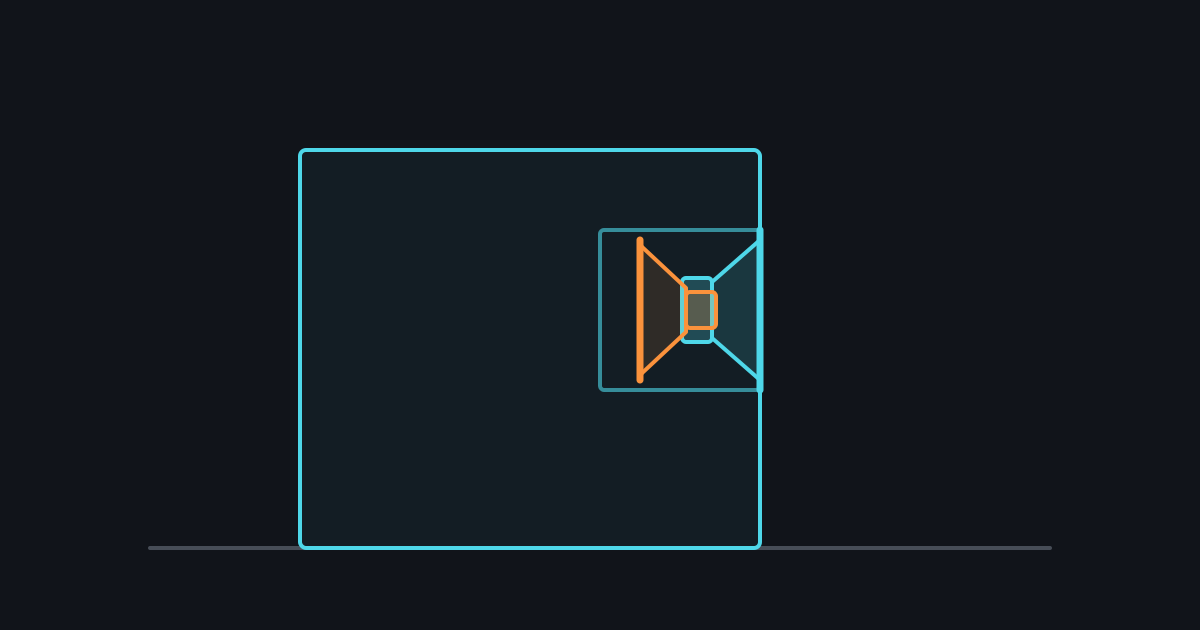
What an isobaric pair really does (and doesn't do) to box size, sensitivity, output, impedance and power handling, with numbers from a worked 10-inch example checked against WinISD.
- Sealed box Qtc: 0.5, 0.707 or 1.1, and what you'll hear
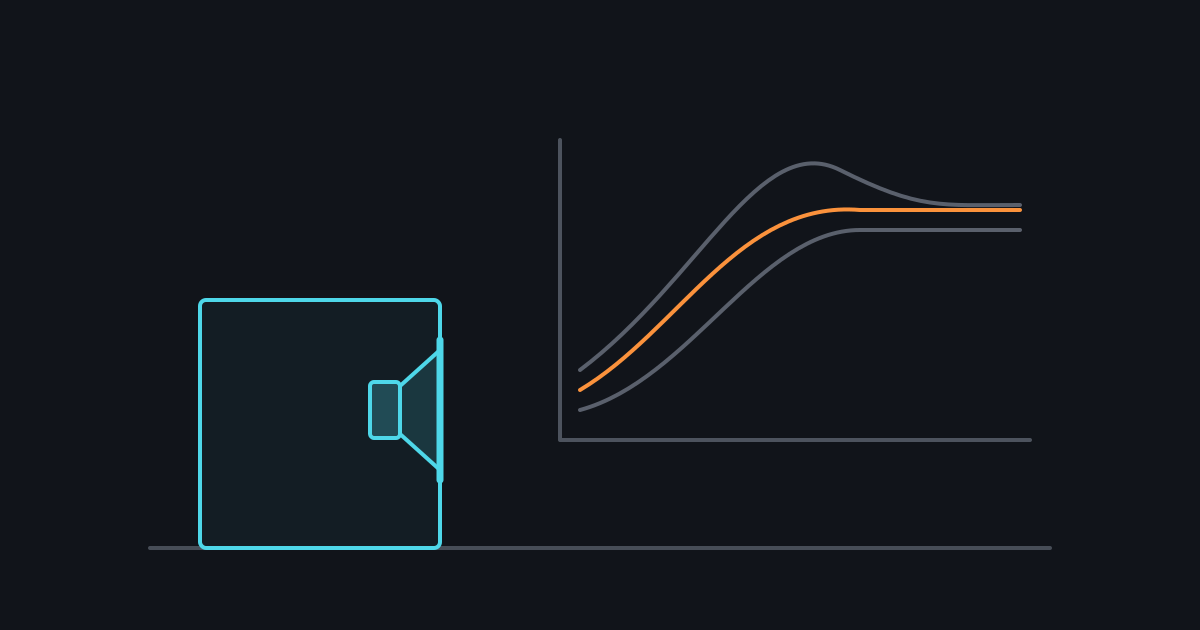
What a sealed box's Qtc does to its size, bass extension, maximum output, group delay and in-room sound, with one 10-inch driver in five boxes you can open and change.
- Infinite baffle subwoofer: drivers in the wall, the attic as the box
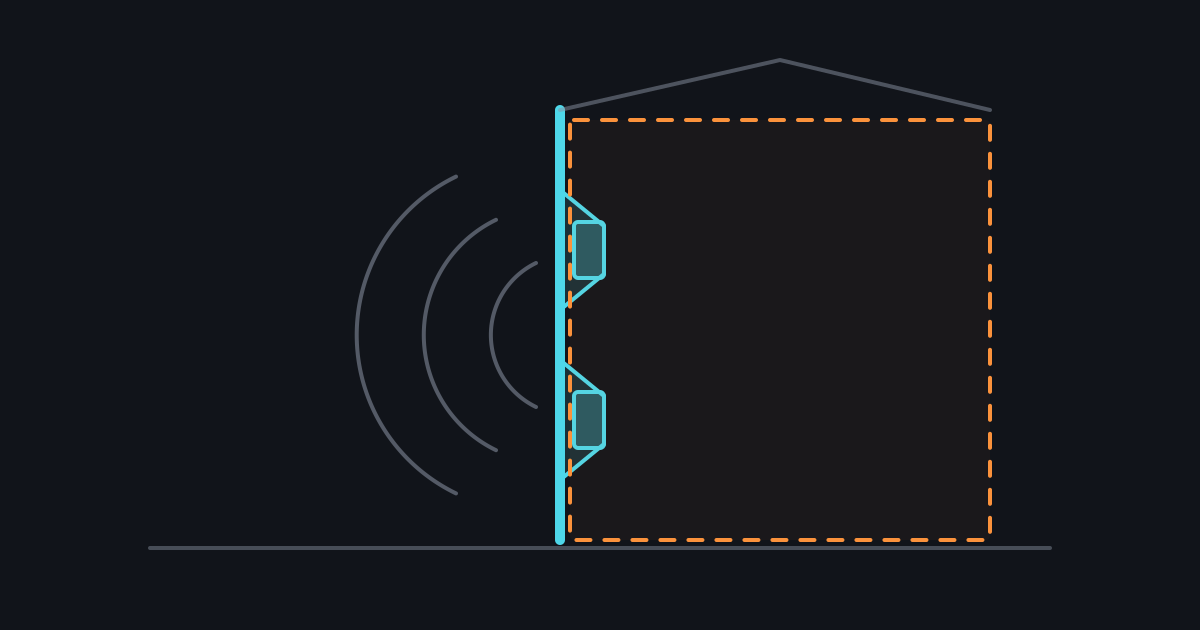
How an infinite baffle (IB) subwoofer works, how big the space behind it must be, what EQ and a subsonic filter cost, and which forum rules hold up, with numbers from four 18-inch drivers in a ceiling at 2000 W.
- Open baffle speakers: board size, woofer choice and what the EQ really costs
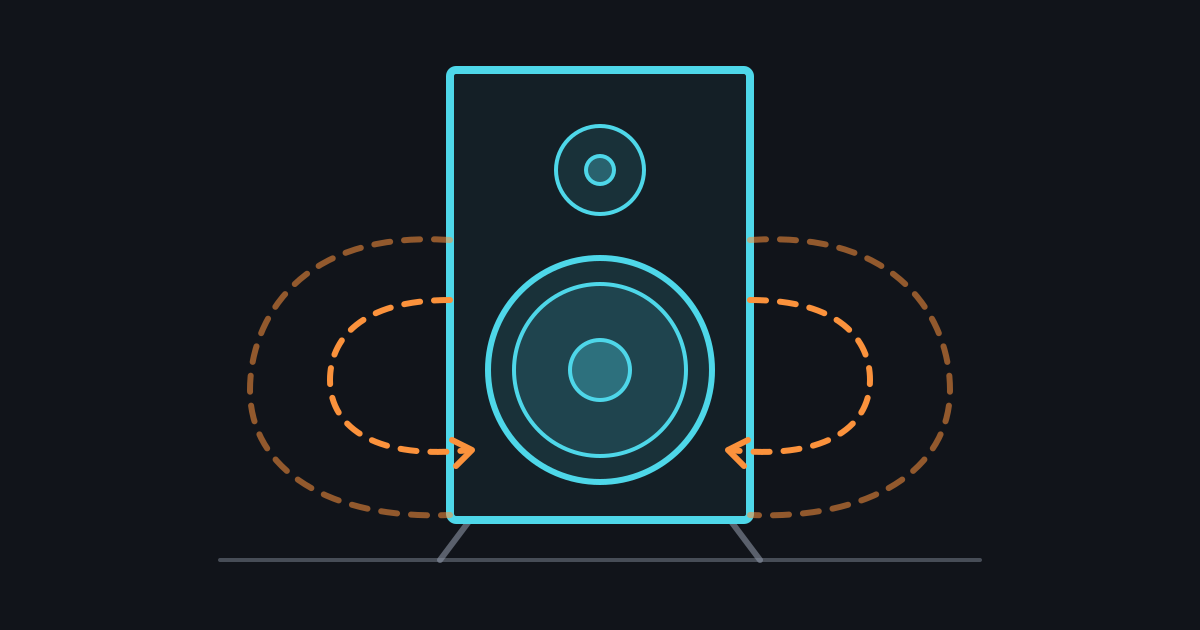
Why an open baffle loses bass, how big the board needs to be, which woofers work with and without DSP, and which forum rules hold up, with numbers from a 15-inch Dayton RSS390HF-4 on a 50 × 90 cm board at 100 W.
Transmission lines and horns
Line types, length, stuffing and mass-loaded towers.
- How to design a transmission line speaker
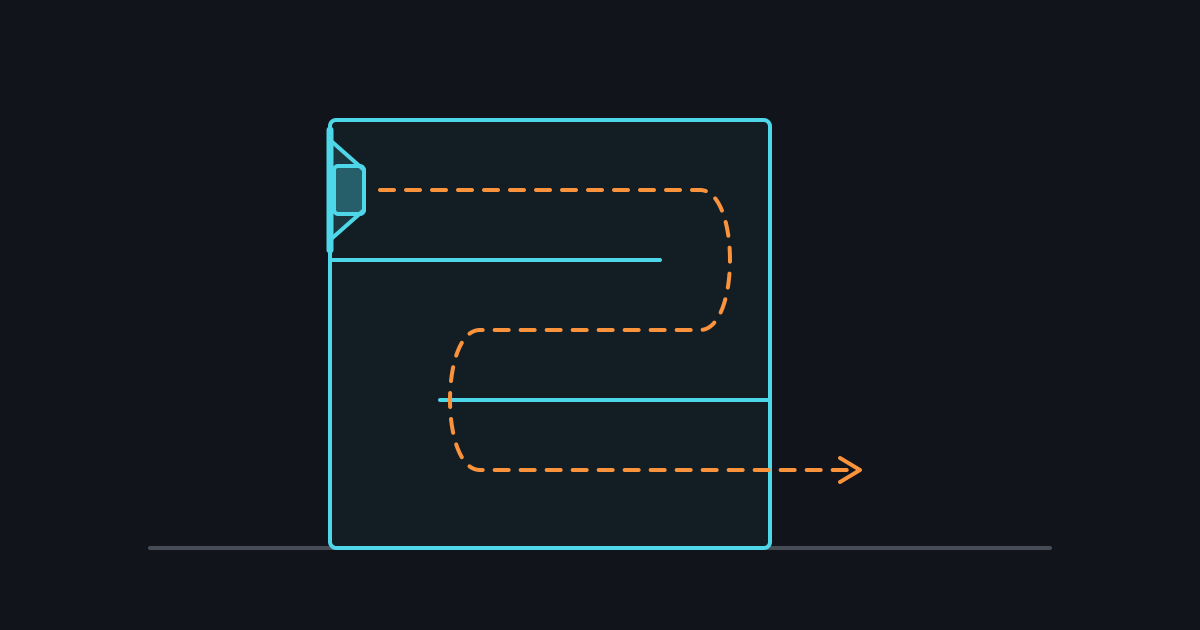
Line types, length and tuning, stuffing and folding, with a worked example that compares a classic TL, an offset TL and a mass-loaded line in your browser.
- Mass-loaded transmission lines (MLTL): tuning a tall ported tower
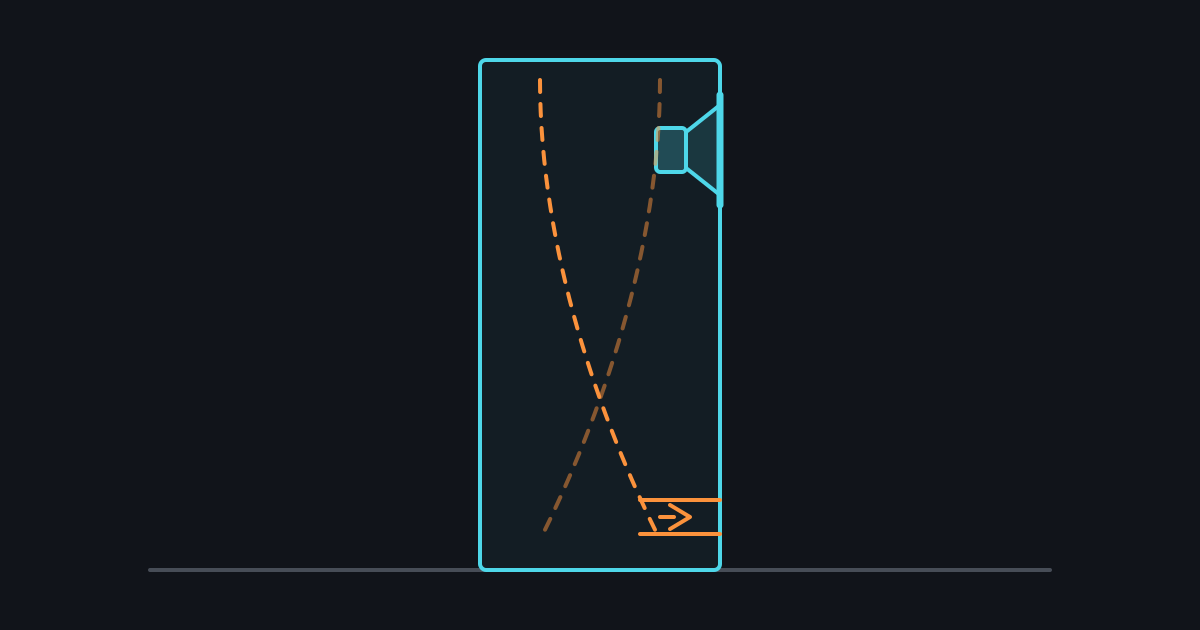
Why a tall, slim ported box behaves as a mass-loaded line, and how to set its port, driver position and stuffing, with a worked 8-inch example you can open and change.
Measuring and fine-tuning
When a built box doesn't match the simulation: losses, stuffing and measurements.
- Why your measurement doesn't match the simulation
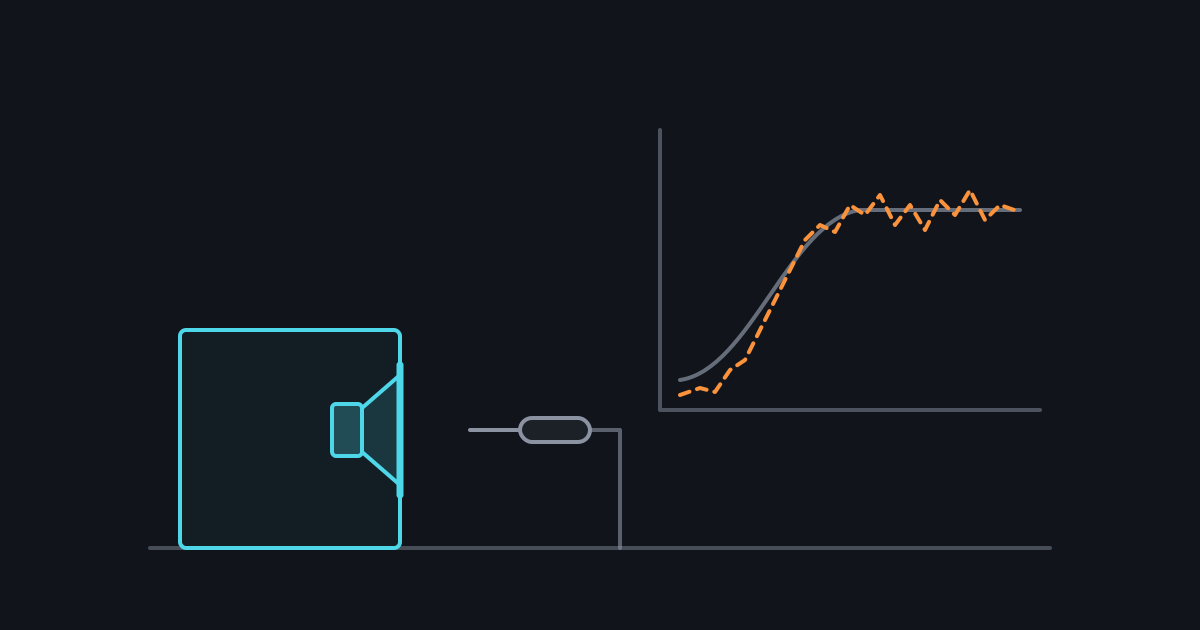
The real reasons a built speaker measures differently from its simulation (driver tolerances, losses, inductance, baffle step, the room and the measurement itself) and how to close the gap.
- Box losses (Ql, Qa, Qp): what values should you use?
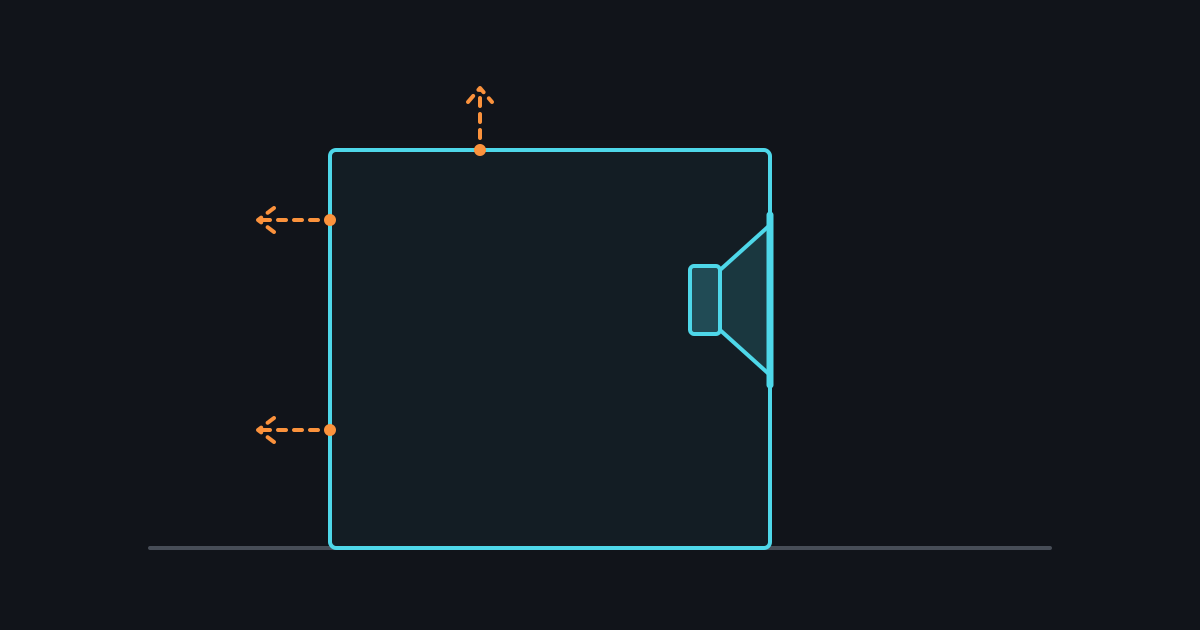
What leakage, absorption and port losses are, what values real boxes have, how much they change the response and the impedance, and how to measure your own box's losses.
- Polyfill and box stuffing: does it really make a box bigger?
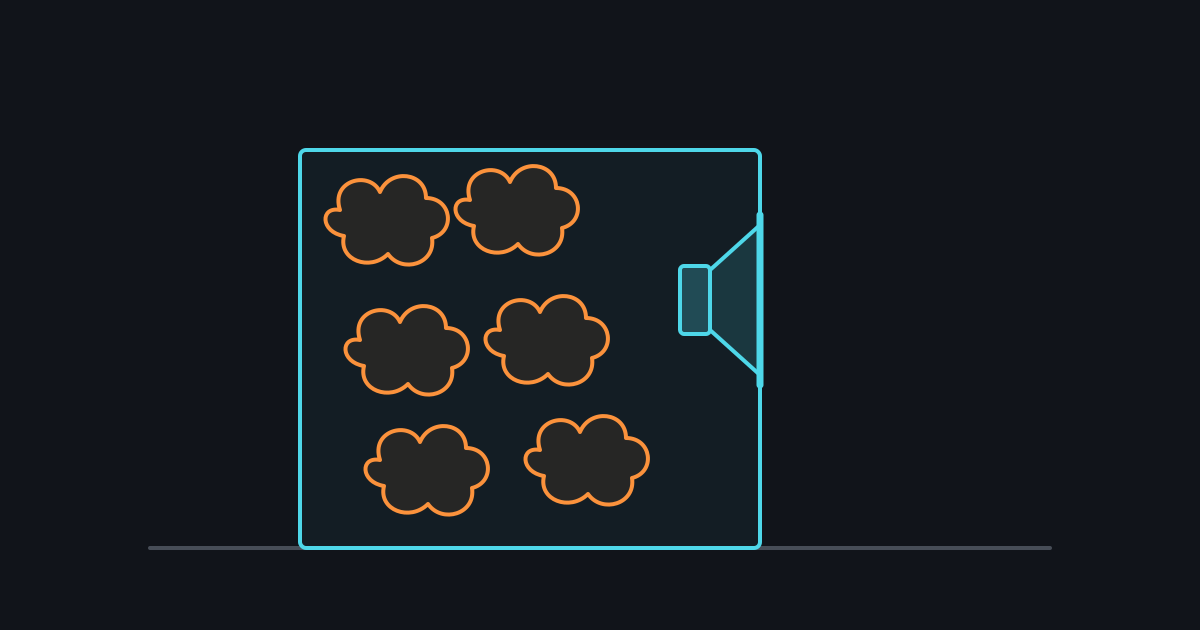
What polyfill and other stuffing really do inside a speaker box, how much bigger they make it act (measured), how much to use in sealed and ported boxes, how to model it in a simulator and how to measure it.
- Power compression: why doubling your amplifier's watts doesn't give you +3 dB
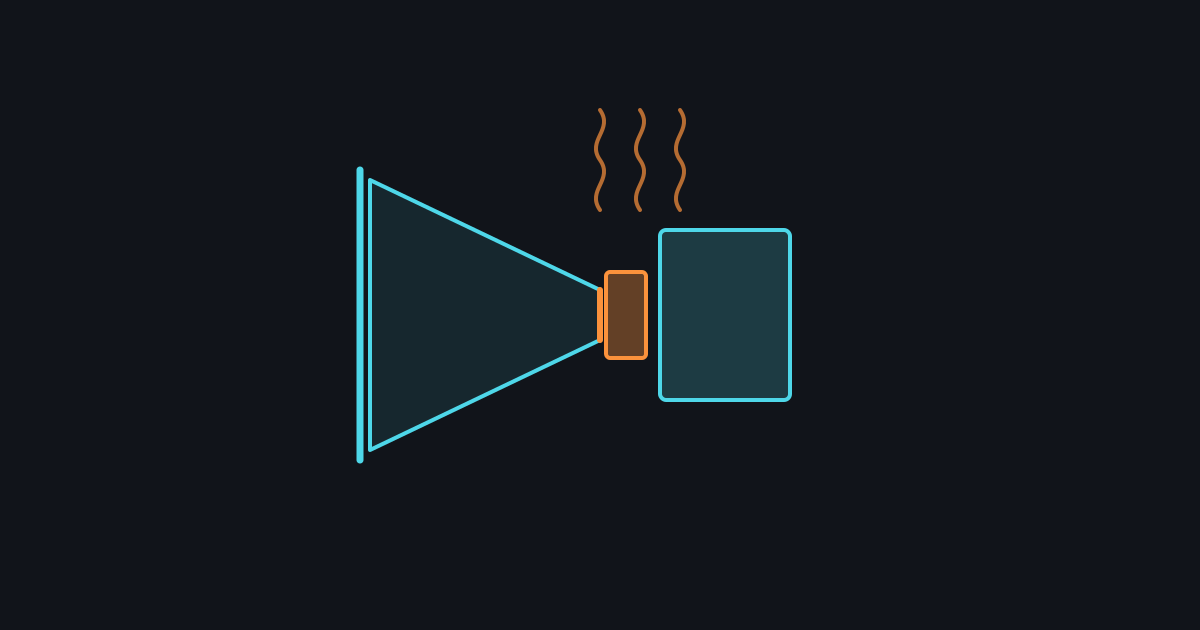
What a hot voice coil does to a subwoofer, how much output it costs at 120 °C and 180 °C, why the bass shape changes, what it does (and doesn't do) to cone excursion, and how much a bigger amplifier really gains.
- Baffle step loss explained: why your bookshelf speaker sounds thin
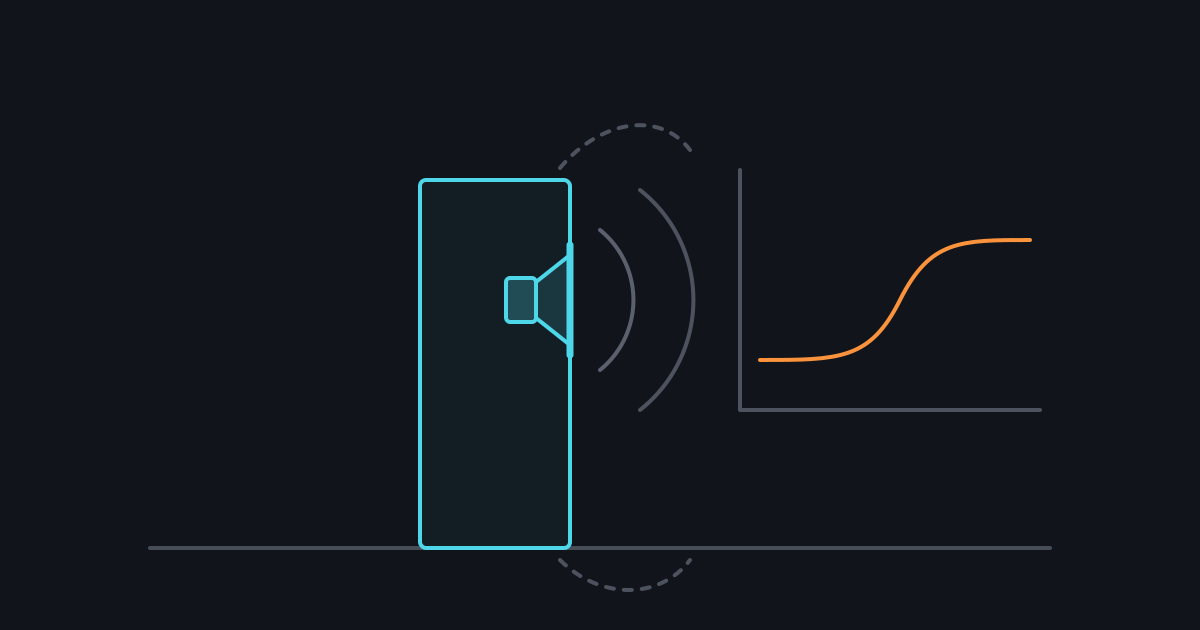
Why a free-standing speaker loses up to 6 dB of bass, where the step really falls for your baffle (often an octave below the 115/width rule), how much to compensate with EQ or a passive network, and what it costs, with a worked bookshelf example you can open and change.
- Speaker break-in: what really changes, and what it does in a box
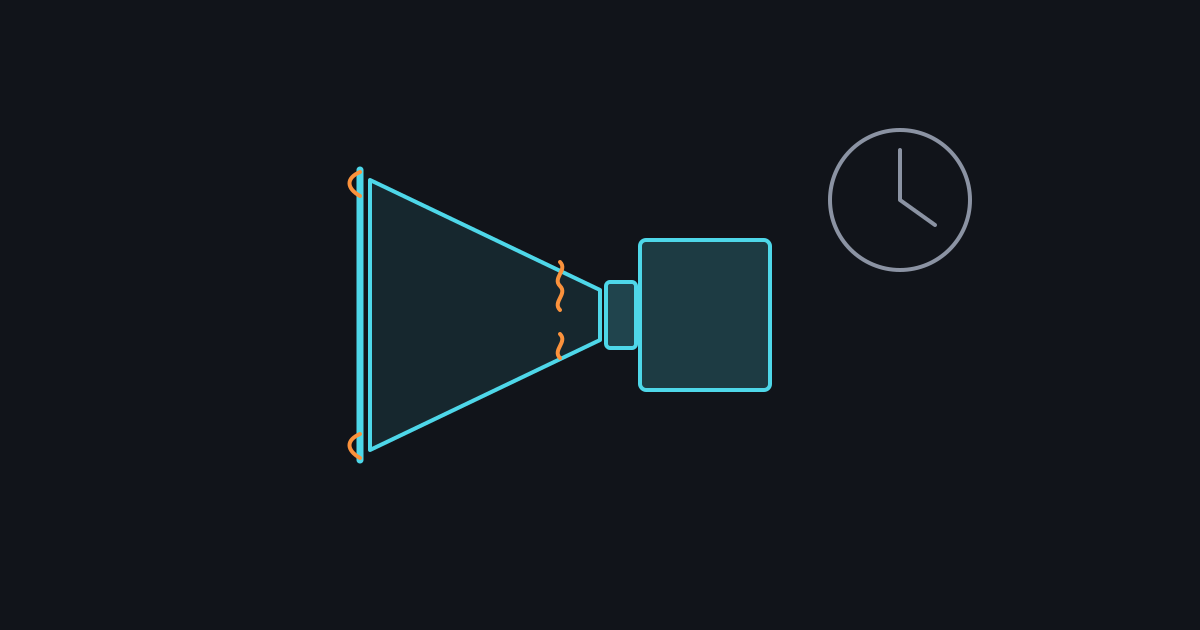
What break-in does to a woofer's suspension and T/S parameters, how much of it lasts, why a box hides most of it, how long it takes, the measuring mistake it causes, and a run-in routine before you measure your own drivers.